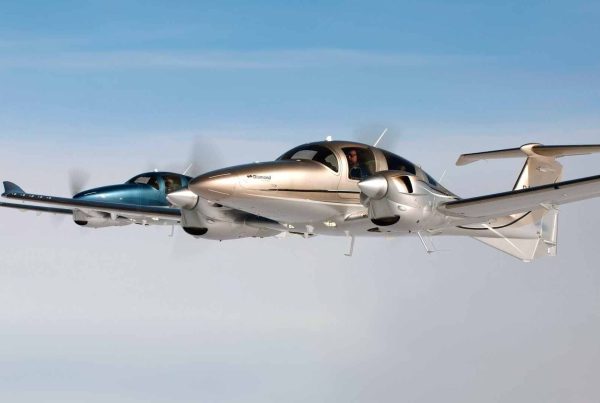

If you use your airplane for business or investment purposes, you may qualify for valuable aircraft tax incentives in 2025. With the right planning and documentation, you can reduce your taxable income and improve cash flow in the same year you take delivery. This guide explains the basics of qualifying for these incentives—what the IRS looks for, how business use is defined, and how to stay compliant while maximizing your benefits.
(This article is for educational purposes only. Always consult a qualified aviation tax professional for advice specific to your situation.)
Understanding Depreciation Schedules
 Aircraft tax incentives are provisions in federal law that let qualifying buyers accelerate depreciation or claim deductions for legitimate business use. These incentives typically include:
- Bonus depreciation: The option to deduct 100% of an aircraft’s purchase price in the first year it’s placed in service.
- Section 179 expensing: Allows partial or full expensing of qualifying business property within annual limits.
To benefit, your aircraft must meet IRS standards for business use, ownership structure, and placed-in-service timing.
Step 1: Establish a Business Purpose
The IRS requires that aircraft deductions serve a qualified business purpose. Common examples include:
- Traveling between company offices or client locations
- Reaching job sites or project locations efficiently
- Demonstration flights for aircraft sales or charter operations
Recreational or entertainment flights don’t qualify. However, mixed-use aircraft can still receive incentives if business flights exceed 50% of total use.
Tip: Maintain clear records of flight purpose and passengers to document business intent.
Step 2: Exceed 50% Qualified Business Use
To qualify for bonus depreciation,MACRS accelerated depreciation, or 179 expensing, your aircraft must be used more than 50% for business. Falling below that threshold can disqualify bonus depreciation and trigger recapture taxes.
Keep:
- Detailed flight logs with dates, routes, passengers, and purpose
- Company meeting calendars or correspondence supporting each flight’s business goal
- Maintenance and fuel receipts aligned with flight records
Consistent documentation protects your position in the event of an audit.
Step 3: Correctly “Place in Service” the Aircraft
 The IRS defines “placed in service” as the date your aircraft is ready and available for its intended business use. That means it’s registered, insured, and pilot training is complete. Merely taking delivery isn’t enough—you must be ready for regular operations.
Example: If your new DA62 is delivered on December 10 but your insurance and first business flight occur December 20, your placed-in-service date is December 20.
Step 4: Choose the Right Depreciation Strategy
In 2025, bonus depreciation and Section 179 are both available but with different limits:
- Bonus Depreciation: May allow up to 100% first-year deduction for qualifying property placed in service in 2025.
- Section 179: up to $2.5MM, with phase out beginning above $4MM
Work with your CPA to determine which method best fits your business income and expected usage.
Step 5: Consider Ownership Structures
Ownership structure affects who can claim aircraft tax incentives.
Step 6: Coordinate with Tax and Legal Professionals
Aviation transactions combine IRS rules, FAA requirements, and liability concerns. Work with:
- An aviation tax CPA for ownership structure and depreciation requirements
- Aviation counsel for document preparation
- Insurance specialists to align coverage with operational use
At Premier Aircraft, we can coordinate with your advisors to ensure the purchase and delivery timing align with your financial goals.
Premier Aircraft: Helping You Navigate Incentives
 When you buy through Premier Aircraft, you gain access to experts who understand both the airplane and the financial side of ownership. We work directly with your CPA or legal team to ensure your aircraft qualifies for available incentives.
- Review available Diamond Aircraft models and Inventory.
- Plan ongoing care with Maintenance at our Locations.
- Contact us for a one-on-one consultation about timing and ownership structures that support your tax strategy.
Learn More from Trusted Sources
Explore additional resources for updated tax guidance and compliance support:
- NBAA Bonus Depreciation Resources
- AOPA Aircraft Ownership Tax Guide
- GAMA Industry Data and Regulatory Updates
Take Advantage Before the Window Closes
Placing your aircraft in service during 2025 could help you lock in current. If you’re considering a new or pre-owned Diamond, now is the time to plan.
Ready to explore your options? Contact Premier Aircraft or Explore our Inventory today. Our experts will help you evaluate aircraft choices, timing, and ownership structures to make the most of 2025 incentives.