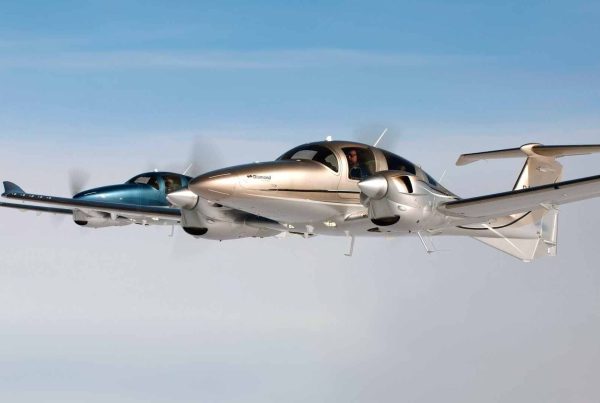

For many owner/operators, choosing the right aircraft means comparing more than numbers. Safety, technology, handling, and long‑term value are all important factors.. In this Diamond Aircraft comparison, we will see how Diamond stacks up against Cirrus, Piper, and Cessna—the three names most prospective owners consider when upgrading or buying their first traveling airplane.
Modern Design and Construction

Diamond takes a unique approach to airframe design. Instead of riveted aluminum, every Diamond uses a composite monocoque structure. This method creates a smoother surface, reduces drag, and improves crashworthiness Cessna and Piper rely on traditional aluminum construction,, which is easier to repair but typically heavier. Cirrus, while proven, cannot match the slow speed handling characteristics of the Diamond product line.
Diamond advantage: lighter empty weight, cleaner aerodynamics, and a safety cell proven to 26G’s in crash testing.
Safety Innovations
Safety is where Diamond stands apart. The energy‑absorbing cabin, excellent visibility, and predictable stall characteristics create a low‑stress flying experience. While Cirrus offers the CAPS parachute system, Diamond’s passive safety approach reduces the need for last‑resort systems. Piper and Cessna models rely on traditional crash structures and design margins.
In accident data reviewed by industry analysts, Diamond’s fleet has consistently shown one of the lowest fatal‑accident rates in general aviation. That’s a major factor to take into consideration flight schools, families, and business owners who prioritize safety.
Avionics and Pilot Workload
Every modern Diamond includes Garmin G1000 NXi avionics with integrated autopilot, synthetic vision, and flight envelope protection. Cirrus aircraft use Garmin Perspective+ (a customized G1000 variant) with similar capability, while many Piper and Cessna models still offer mixed analog or partial‑glass configurations in earlier models.
For training and transition, Diamond’s standardization makes learning and upgrading between models seamless. Fewer cockpit variations mean smoother steps from the DA40 to the DA50 or DA62.
Diamond advantage: full‑glass avionics standard across the fleet, simplifying training and increasing safety.
Efficiency and Operating Costs
One of the key points in any Diamond Aircraft comparison is efficiency. Diamond’s composite construction and clean aerodynamics translate into fuel burns that are 20–40% lower than comparable models. The use of Austro Jet‑A diesel engines allows operation on widely available fuel, at roughly half the consumption of avgas engines of similar power.
Cirrus aircraft emphasize speed and comfort but generally burn more fuel per mile. Piper Cirrus and Cessna singles use conventional Lycoming or Continental avgas engines, offering simplicity but less economy. Over hundreds of hours per year, Diamond’s efficiency can save thousands in fuel and maintenance costs.
Diamond advantage: outstanding economy without sacrificing cruise performance.
Cabin Comfort and Visibility
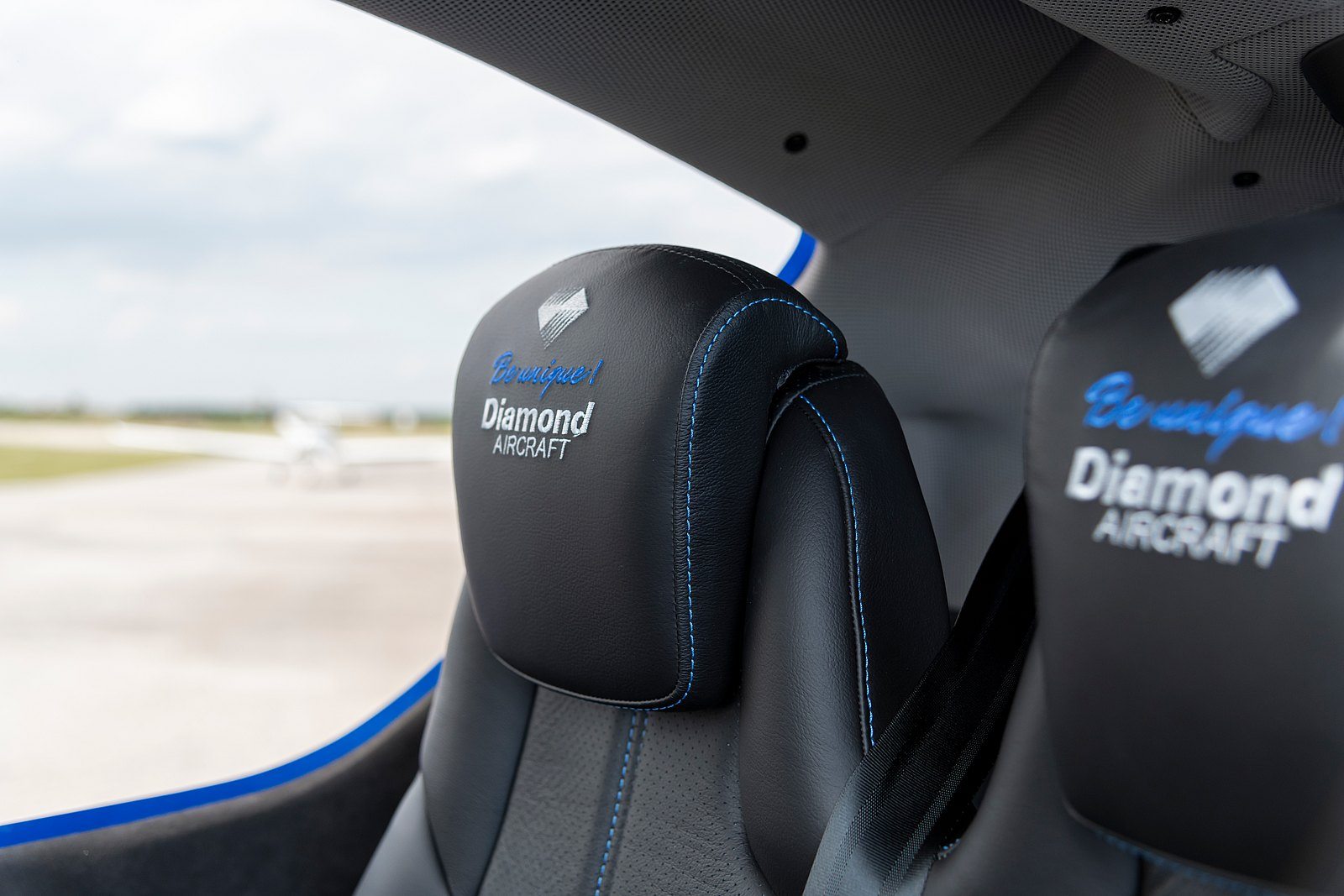
Diamond cockpits are known for panoramic canopies and ergonomic layouts. The wrap‑around windscreen gives unmatched visibility, while vibration levels are low.Cirrus and Piper cabins feel more enclosed, with traditional side windows and heavier interiors. Cessna’s high‑wing designs provide easy ingress but more limited forward view.
On long flights, Diamond’s smooth ride and low cabin noise reduce fatigue—an often overlooked part of safety and enjoyment.
Diamond advantage: best‑in‑class visibility and comfort for long cross‑countries.
Model‑by‑Model Comparison
| Segment | Diamond Model | Cirrus Equivalent | Piper Equivalent | Cessna Equivalent |
| Trainer | DA20 | SR20 (entry) | Archer LX | Skyhawk 172 |
| All‑Purpose | DA40 | SR22 | Arrow | Skylane 182 |
| Twin | DA42 | none | Seminole | 310 (legacy) |
| Premium Single | DA50 RG | SR22 | Matrix/M350 | TTx (discontinued) |
| Flagship | DA62 | SR22T
|
M600/SLS (turboprop) | none |
Across categories, Diamond emphasizes safety, fuel efficiency, and ease of operation, while others focus on speed or luxury options. For most owner‑operators, Diamond offers the most balanced mix of performance and operating cost.
The Premier Aircraft Perspective
At Premier Aircraft, we’ve sold and supported every Diamond model, and we’ve compared them firsthand with Cirrus, Piper, and Cessna in real missions. The differences show in daily flying: smoother landings, lower fuel burn, and fewer maintenance surprises.
- Factory‑level Diamond expertise—our team knows the intricate details that make ownership easy.
- In‑house maintenance for performance and reliability.
- Personalized guidance from first consultation through delivery.
If you’re evaluating multiple aircraft, we’ll help you compare real operating costs, training requirements, and mission profiles to determine which model truly fits your flying.
Learn More from Reliable Sources
Compare verified performance data on Diamond Aircraft, and see head‑to‑head analyses from AOPA and Flying Magazine. These sources consistently highlight Diamond’s strong safety record and efficient designs.
Experience the Diamond Difference
When you complete your Diamond Aircraft comparison, the data speaks clearly: Diamond leads in safety, efficiency, and modern engineering.
Ready to explore the lineup firsthand? Browse our Inventory or review the Diamond lineup including DA62, DA50 RG, DA42, DA40, and DA20. When you’re ready, Contact Premier Aircraft to schedule a discovery call or demo flight.